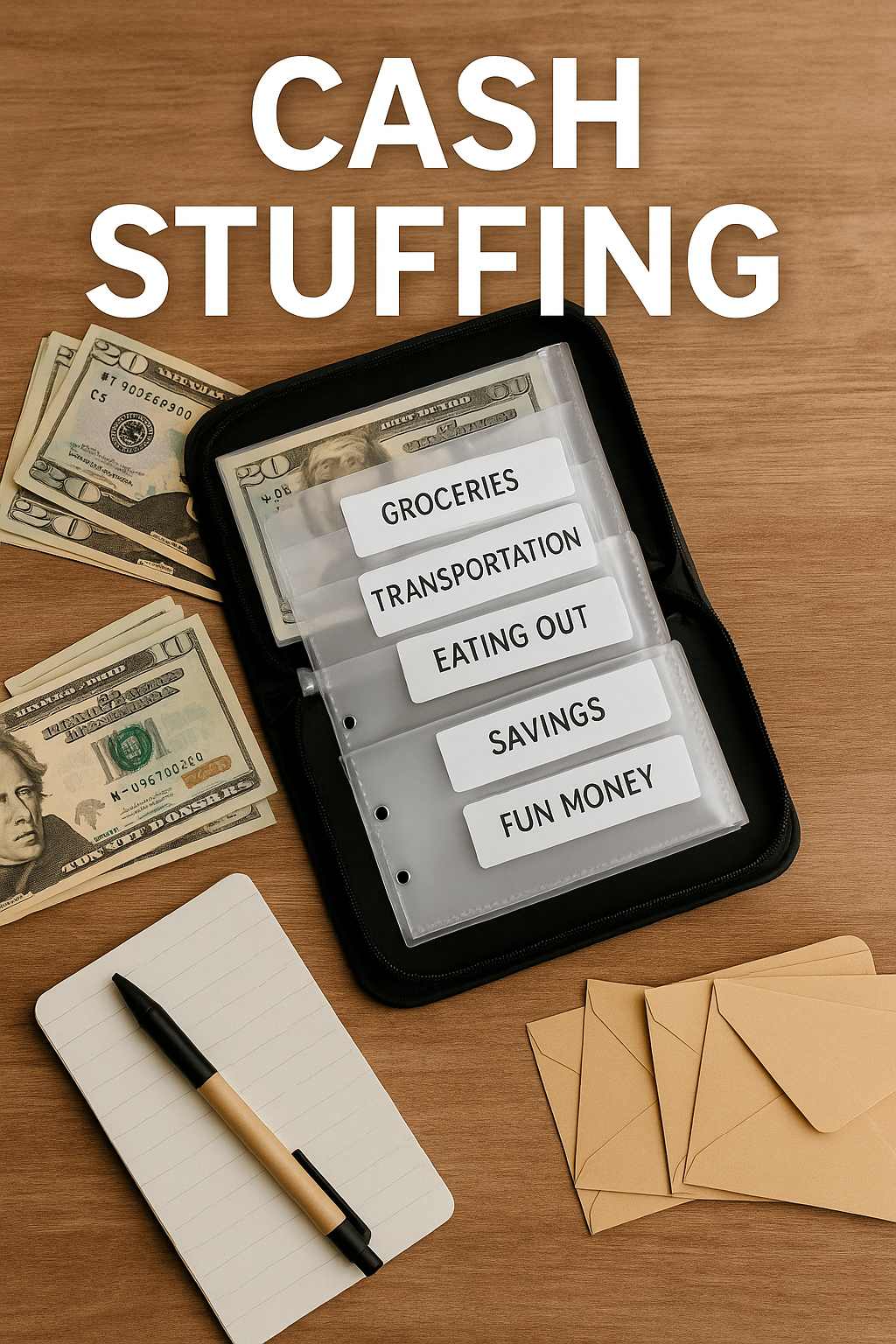
Minimalism in Everyday Life – Save Money by Consuming Less
More and more people are feeling overwhelmed by overflowing closets, endless shopping, and the constant pressure to consume. Minimalism is a lifestyle that helps you focus on what truly matters, clear out the excess, and save money at the same time. You don’t need expensive brands or the latest trends to feel fulfilled—less is often more. In this article, you’ll discover simple steps to embrace minimalism and make life lighter, calmer, and more affordable.
Benefits of Minimalism
- Save money: Buying less means keeping more of your hard-earned cash.
- More space: A tidy, uncluttered home feels calming and organized.
- Eco-friendly: Less consumption creates less waste and helps the planet.
- Focus on what matters: Free up time and energy for experiences and people you love.
7 Practical Tips for Minimalism in Daily Life
1. Declutter your closet
Take everything out and keep only the pieces you truly wear and love.
- Golden rule: If you haven’t worn it in a year, let it go.
- Donate, sell, or recycle what you no longer need.
2. Try a shopping freeze
Commit to a 30-day no-spend challenge where you only buy food and essentials.
- Helps reduce impulse purchases.
- Trains your brain to separate needs from wants.
3. Choose quality over quantity
Instead of buying multiple cheap items, invest in a few that last.
- Example: One good frying pan can outlast three low-quality ones.
- In the long run, quality saves money and reduces waste.
4. Use everyday items in multiple ways
- Glass containers: use them for storage, serving, and freezing.
- Multifunctional furniture: folding tables, storage beds, or stackable chairs.
This reduces clutter and saves money on unnecessary extras.
5. Declutter digitally
Minimalism isn’t just physical—it’s digital, too.
- Delete unused apps.
- Unsubscribe from newsletters that tempt you to spend.
- Organize your files and photos to reduce stress.
6. Borrow instead of buy
Not everything needs to be owned.
- Tools, books, or equipment can often be borrowed from friends, neighbors, or local libraries.
- Saves space, money, and prevents waste.
7. Practice mindful consumption
Before buying, ask yourself: Do I really need this?
- Wait 24 hours before making non-essential purchases. Often, the urge passes.
- Focus on intentional spending, not impulse shopping.
Extra Money-Saving Tips with Minimalism
- Sell what you don’t need: Use online marketplaces or yard sales to turn clutter into cash.
- Lower fixed costs: A minimalist lifestyle naturally reduces expenses like storage or cleaning.
- Track your spending: Use a notebook or budget app to stay on top of your finances.
Conclusion
Minimalism isn’t about sacrifice—it’s about freedom. Fewer things mean less stress, fewer expenses, and more space for what truly matters in life. By taking small steps, you can begin living more minimally today and see immediate benefits for both your wallet and your peace of mind.
👉 Start with just one drawer or one closet—you’ll feel lighter right away!
This blog contains affiliate links. This means that if you click on a link and make a purchase, I may earn a small commission at no extra cost to you. I only recommend products and services that I truly love and believe bring value to my readers.
Your support through these links helps me keep this blog running and allows me to continue sharing free tips, guides, and resources. Thank you for supporting my work!